


























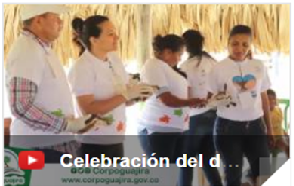





La introducción de los quelonios, se realizó en las playas de Palomino (Dibulla), por funcionarios de Corpoguajira, la Ong Campesina Ambiental y turistas extranjeros.
Los 37 individuals of the Canal species (Dermochelys coriacea) they were newborn; Its incubation was always monitored by the Environmental Peasant NGO of Palomino, who signed an alliance with Corpoguajira through which day and night monitoring is carried out by fishermen who have been trained in the protection of adult turtles at the time of their arrival at the nesting sites., equipment management, nests and hatchlings of chelonians.
The project, which is part of the “Sponsor a Turtle and Carry it in your Heart” program, led by Corpoguajira and Asocars, It advances between the mouth of the Palomino River and Dibulla. The clutch was cared for all the time, to prevent looting by residents of the region, natural predators and climatic phenomena.
In addition to the release, Corporation officials offered attendees a talk about general aspects of this species and its role in the ecosystem..
Due to the large amount of seagrass existing in La Guajira, Four species of sea turtles live on the peninsula: Green turtle (Chelonia midas), Carey (Eretmochelys dressed), Canal (Dermochelys coriacea) and gogo (Cartetta caretta). These animals reach sexual maturity between 15 and 20 years old, The pair copulates in the sea and the female nests on the beach around 155 eggs per clutch. Incubation takes place over a period of 55 a 60 días. In the department there are sectors of nesting beaches located between the Palomino River and the Cañas River.. In Alta Guajira the favorite places are Taroa, Rush and Half Moon.
Leave a reply
I am sorry, you should be connected to post a comment.