



























INDIGENOUS COMMUNITIES LEARN TO CARE FOR AND CULTIVATE MEADOWS WITH SEAGRASS 
ZONING STUDY ADVANCES IN THE GEOGRAPHICAL AREAS WHERE THE EXISTENCE OF PASTURES IS EVIDENT
By: Maria Angelica Egurrola H.
The agreement is in the socialization stage, the purpose of which is to study zoning in geographical areas with seagrass meadows in the Department of La Guajira.. The project contemplates the formulation of a management plan for the areas characterized within the study that includes georeferencing and primary information collected by the professional team..
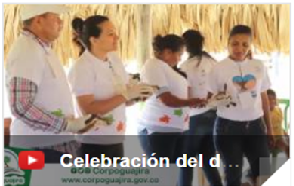
During the training offered to the fishing communities that live in Camarones and Puerto Caracol in Riohacha; Mayapo, The Bird and Musichi in Manaure; and, Uribia and its rural areas, the importance of caring for seagrasses was socialized, its value and importance as a generator of life for species that live in the deep sea. La Guajira has a total of 34 thousand hectares of seagrass meadow, which corresponds to more than 80% of the total existing grasslands in the Colombian Caribbean.
Seagrasses are large producers of plant biomass and leaf litter.; They constitute their own ecosystem, They provide food and shelter to a wide variety of algae, invertebrates, peces, and communities of deep-sea organisms. La Thalassia turtle (turtle grass) y Syringodium filiforme (Manatee grass), They are the species that occur most in La Guajira and are considered to favor the existence of turtles and lobsters in our sea..
Leave a reply
I am sorry, you should be connected to post a comment.