































Through the planting of corn crops, beans, habichuela, tomatoes, peppers, ahuyama, beet, carrot, moringa, Yucca, mango and soursop; Corpoguajira is fulfilling the firm purpose of combating malnutrition in Nazareth (Uribia).
The activities have benefited several indigenous communities in the Yorajarú neighborhood, Nazareth boarding school and the township hospital. Corpoguajira also provides technical advice on food production in dry areas.

The project has the advice of Engineer Leonardo Blanco Rodríguez; who has carried out several trainings for the inhabitants of Nazareth.
Through Engineer Leonardo Blanco Rodríguez, The Corporation has trained officials from the Nazareth Hospital, of the Boarding School and the communities of Paraíso and Wawatun; on the cultivation and use of Moringa Oleifera, a plant with high nutritional content, since it has more than 30 % of protein, Its leaves are rich in vitamins, minerals and amino acids and if that were not enough it can resist six months of drought. Participants received seeds and seedlings.
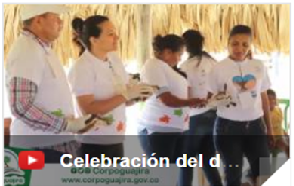
The work carried out also included an ecological night, to promote good actions aimed at preserving the environment, natural resources and knowledge about how to plant in the desert.
Leave a reply
I am sorry, you should be connected to post a comment.