
































Regional Autonomous Corporation of La Guajira

Environmental sustainability, Everyone's Commitment


Main Menu

PERIODIC CORPOGUAJIRA CONTIGO NEWS

ACTS BEFORE THE CORONAVIRUS

PUBLIC HEARING TO FOLLOW UP ON THE ACTION PLAN – VALIDITY 2021

PARTICIPATION PLAN CORRUPTION 2022

Participatory budget

PGAR FORUM 2020 – 2031

PGAR 2020 2031

CNSC

EARLY WARNING FOR DEFORESTATION

Early Detections of Changes in Key Ecosystems of the Caribbean and the Colombian Orinoquia

MIMAC TRAINING

CONSULTATION FOR FIXING TARGETS

GEODATABASE -GDB

RCD

AT THEM – USED ​​COOKING OIL

Territorial Planning Information

Information Risk Management

SAT

SATISFACTION SURVEY

ECOGUAJIRA

ACTION PLAN 2020 – 2023

Vital

VITAL

PQRSD ENVIRONMENTAL AND COMPLAINTS

PQRSD1

Road Wayurey

Facebook

Videos

Transparency and Access to Public Information

YOUTH EMPLOYMENT

Facebook

Calendar of Events and Publications

February 2026
The M X J In S D
 1
2345678
9101112131415
16171819202122
232425262728  

Facebook

Facebook

Translate this site


by Transposh - Plugin de traducción para WordPress

Files

Did you know?

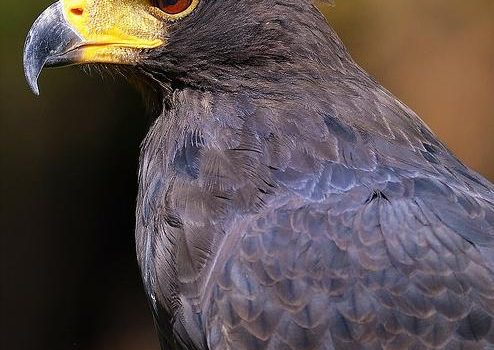
La Harpyhaliaetus solitary, known as the solitary eagle is in danger, at the national level. This very large bird of prey up to about 71cm in length with very long and wide wings and a very short tail.. Its color is almost black, with a wide white transverse band in the middle of the tail.

It is found on the northern slope of the Sierra Nevada de Santa Marta, the Montes de Oca Forest Reserve and the Serranía del Perijá, inhabiting the hills and mountains covered with little intervened forests.

The lone eagle, nests very high in trees, on a large platform built with sticks and dry branches, where she lays a single egg, that takes a few 24 days to incubate. Their diet includes lizards such as iguanas, chicken wolves, medium-sized birds and mammals.

This bird is threatened by habitat destruction and fragmentation, as well as the house of peasants who consider it a danger to the livestock.


Comments

Leave a reply