






























.JPG)
The environmental authority socialized the ecotourism project with several indigenous communities in the Sierra Nevada de Santa Marta, with whom he will consult from their ancestral vision, to protect the ecosystems in the area.
Corpoguajira socialized with several indigenous communities Koguis, They are living in the foothills of the Sierra Nevada de Santa Marta, the work of the School of Nature, an eco-tourism project where the visitor a unique experience, to reflect on the relationship between man and his environment.
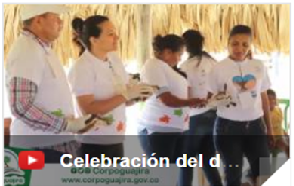
The meeting was held in Rio Ancho (Dibulla), She was chaired by the Director of Corpoguajira, Luis Medina Toro; Governor Jose Santos Sauna and several Mamos community council, who expressed their full support to this initiative of the Corporation, and the need to work together for the conservation of the highest coastal mountain in the world.
The Corporation and Koguis, will conduct a consultation from the indigenous ancestral vision, considering that for the ethnic groups living in the Sierra Nevada, this ecosystem is the place that concentrates all responsibility to the rest of the universe and is the site from where it is monitored and custody sacred and vital for the planet.
The School of Nature, allow a cultural rapprochement with the Kogi Indians, and it will be ideal for exploring the biodiversity of fauna and flora space, existing in the massif; as marimonda, el paujil, Colombian tapir, tucanes, Guáimaro, among other species.
Nature lovers will live an experience like no other, contemplating the wonderful Nature Reserve Buenavista. Durante el recorrido, also they have the opportunity to share with the Arhuaco Indians and become part of their ancient traditions. The descent is made by the Palomino river, up to its mouth in the Caribbean Sea.
The Sierra Nevada de Santa Marta, It has ecosystems that are between the sea and glacial. Its age is greater than that of the Andes, is today the epicenter of endemism most important continent. It is the territory of the Kogi Indians, Arhuacos, Wiwas y Kankuamos, who still retain their cultural essence.
Leave a reply
I am sorry, you should be connected to post a comment.